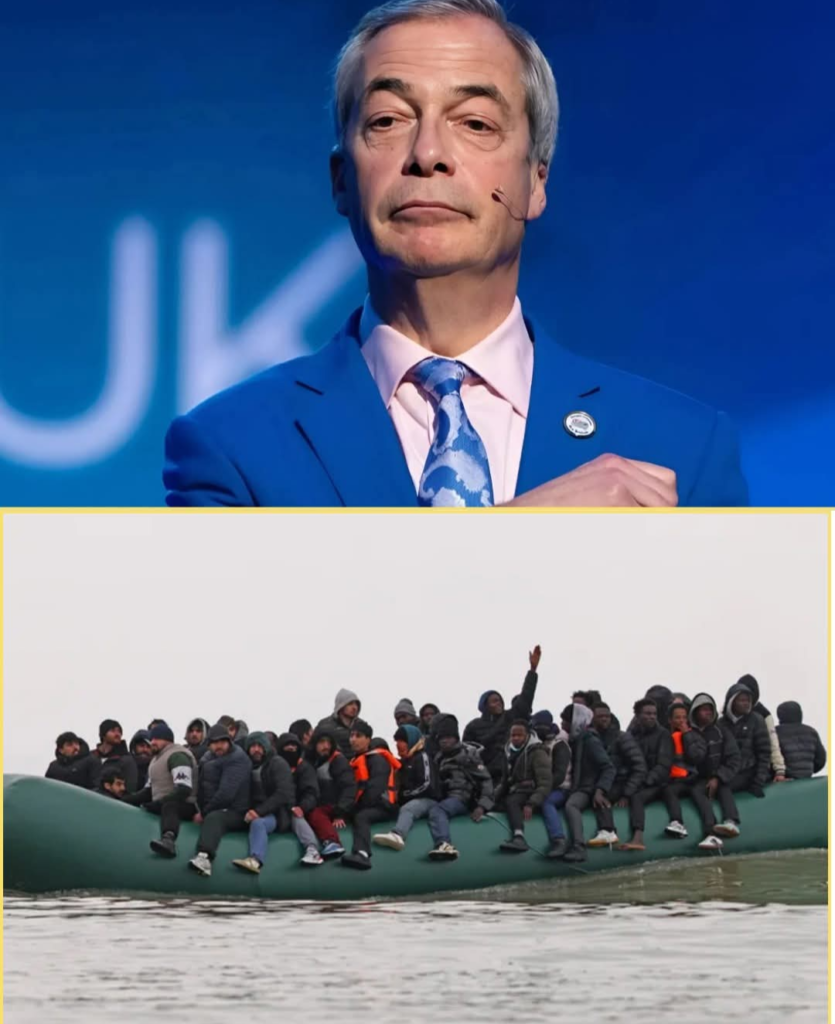
Britain’s already heated immigration debate has surged back into the spotlight following controversial proposals linked to Nigel Farage and his party, Reform UK. The plan—framed by supporters as a decisive response to years of mounting pressure on the asylum system—has ignited fierce reactions across the political spectrum.At the heart of the controversy are claims that large-scale deportations could be used to reduce the number of asylum seekers and migrants in the country. While the rhetoric has captured headlines, experts caution that the legal, logistical, and humanitarian realities are far more complex.The Proposal: Bold Vision or Political Messaging?Supporters describe the plan as a long-overdue attempt to “reset” Britain’s immigration system. The UK has seen a steady rise in asylum applications in recent years, alongside increasing political focus on irregular migration, particularly small boat crossings across the English Channel.However, the idea of deporting hundreds of thousands of people—including those already granted legal status—raises immediate questions.Under UK law, individuals who have been granted asylum receive protection based on international obligations, including the United Nations Refugee Convention. Revoking that status on a large scale would likely face serious legal challenges.Legal Barriers: A System Built on ProtectionsThe United Kingdom’s legal framework makes mass deportations extremely difficult to implement.Key constraints include:Human rights protections under the Human Rights Act 1998International obligations that prevent returning individuals to countries where they may face harmThe need for case-by-case legal review before deportationCourts have historically blocked or delayed deportation efforts when they conflict with these protections. Even smaller-scale policies have faced years of legal scrutiny.Legal experts widely agree that any attempt to deport individuals who have already been granted asylum would almost certainly trigger prolonged court battles.Political Reaction: Division and DebateReaction from UK Parliament has been swift and deeply divided.Supporters argue that tougher measures are necessary to restore public confidence and reduce pressure on housing, services, and border systems.Critics warn that such proposals risk undermining the rule of law and damaging Britain’s international reputation.Some lawmakers have described the plan as politically unrealistic, while others see it as a reflection of growing voter frustration.Public Sentiment: A Country SplitImmigration has long been one of the most divisive issues in British politics, particularly since the Brexit referendum.For some voters, stricter immigration control represents a fulfillment of promises to “take back control.” For others, it raises concerns about fairness, compassion, and the country’s global responsibilities.Polls consistently show that while many Britons support stronger border controls, there is less consensus on extreme measures—especially those that could affect people already living legally in the UK.Practical Challenges: Beyond PoliticsEven if political and legal hurdles were overcome, the logistics of large-scale deportation would be daunting.Challenges include:Negotiating agreements with origin countriesOrganizing transport and processing systemsManaging costs, which could run into billions of poundsHandling appeals and legal reviewsPast efforts to increase deportations have often been limited by these practical constraints.Humanitarian ConcernsOrganizations such as Amnesty International have warned that aggressive deportation policies could have serious humanitarian consequences.Critics argue that:Many asylum seekers are fleeing conflict or persecutionForced returns could put lives at riskCommunity tensions could increase if policies are seen as targeting vulnerable groupsThese concerns add another layer of complexity to an already sensitive issue.Media and Messaging: The Power of HeadlinesThe language used in political campaigns and online discussions often amplifies the perceived scale and immediacy of proposals.Terms like “mass deportation” or specific large numbers can generate strong emotional reactions—but they don’t always reflect concrete, actionable policy.Understanding the difference between political signaling and legislative reality is key to interpreting such developments.Could This Shape the Next Election?Immigration is expected to remain a central issue in upcoming UK elections. Proposals like this—whether fully implementable or not—can influence the political agenda by shifting the boundaries of debate.Parties may respond by:Adopting tougher rhetoricProposing alternative reformsEmphasizing different aspects of the immigration systemIn this sense, even controversial or unlikely proposals can have real political impact.The Bigger QuestionBeyond the immediate controversy, this debate raises a broader issue:How far should a country go in controlling immigration while upholding legal and humanitarian commitments?There is no simple answer. Democracies must balance public demand for control with the rule of law and respect for human rights.Bottom LineThe proposal associated with Nigel Farage and Reform UK has sparked intense debate—but its most dramatic elements face significant legal, practical, and ethical challenges.Rather than signaling an immediate policy shift, it reflects a broader political moment in which immigration remains one of the most powerful—and contentious—issues in British public life.As the debate unfolds, the outcome will likely shape not just policy, but the tone and direction of the UK’s political future.