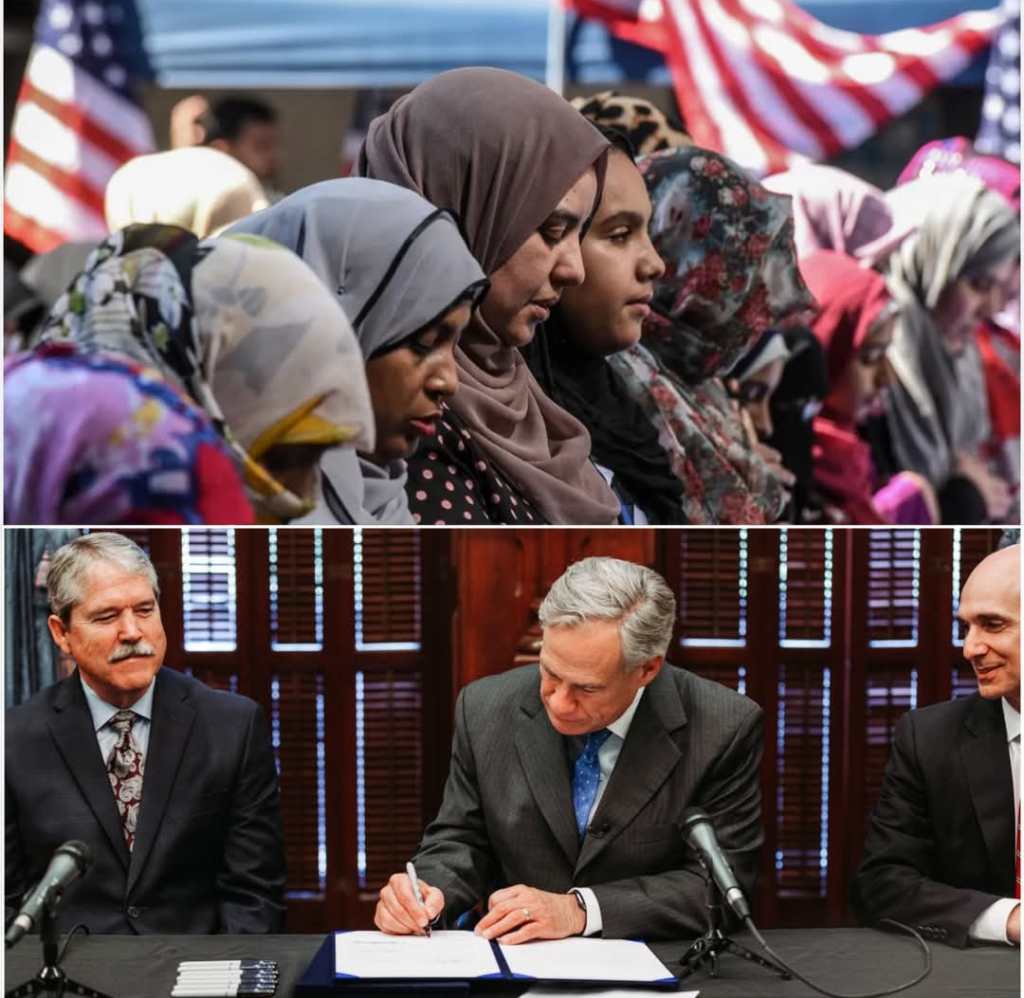
A fresh wave of legislation signed in Texas by Governor Greg Abbott has ignited fierce debate across the United States over property rights, national security, and the role of state governments in shaping cultural and legal policy.
Supporters describe the measures as a bold defense of constitutional values and state sovereignty. Critics argue the rhetoric surrounding the laws risks inflaming fear and misunderstanding.
What the Laws Actually Focus On
The legislation drawing attention primarily deals with:
Restrictions on certain foreign land ownership
Increased scrutiny of entities tied to geopolitical or national security concerns
Reinforcing that Texas courts must operate under U.S. and Texas law
Contrary to viral claims online, there is no separate legal system replacing American law in Texas or elsewhere in the United States.
Why “Sharia Law” Keeps Appearing in Politics
The term “Sharia law” is frequently used in political messaging, but legal experts note that the United States Constitution already prevents any religious legal code from overriding state or federal law.
Courts may consider religious agreements in limited civil matters—such as contracts or arbitration—but only when they comply with U.S. law.
Because of this, many analysts see anti-“foreign law” bills as largely symbolic or preventive rather than responses to a proven legal threat.
Supporters Say Texas Is Taking a Stand
Backers of the new laws argue they are necessary to:
Protect strategic land and infrastructure
Prevent foreign influence
Defend constitutional governance
Address growing voter concerns over security and identity issues
For many supporters, the measures represent a broader push for stronger state-level control over issues they believe federal authorities have not addressed aggressively enough.
Critics Warn of Political Fearmongering
Civil liberties organizations and advocacy groups argue that some of the public messaging surrounding these laws risks unfairly associating entire religious or ethnic communities with extremism.
Critics say:
Existing laws already prohibit illegal activity and terrorism
Broad rhetoric may fuel social division
Courts should judge actions, not identities or beliefs
Any law seen as discriminating against a religion could face constitutional challenges under the First Amendment to the United States Constitution.
The Bigger Political Context
Texas has increasingly become a focal point in national debates over:
Immigration
Border security
State sovereignty
Cultural identity
Measures passed there often influence political conversations in other states, especially among conservative lawmakers.
Social Media vs Legal Reality
Online posts describing “massive crackdowns” or “historic bans” often go much further than the actual legal text of legislation.
This gap between:
Viral political narratives
and
The practical legal impact of laws
has become increasingly common in modern political discourse.