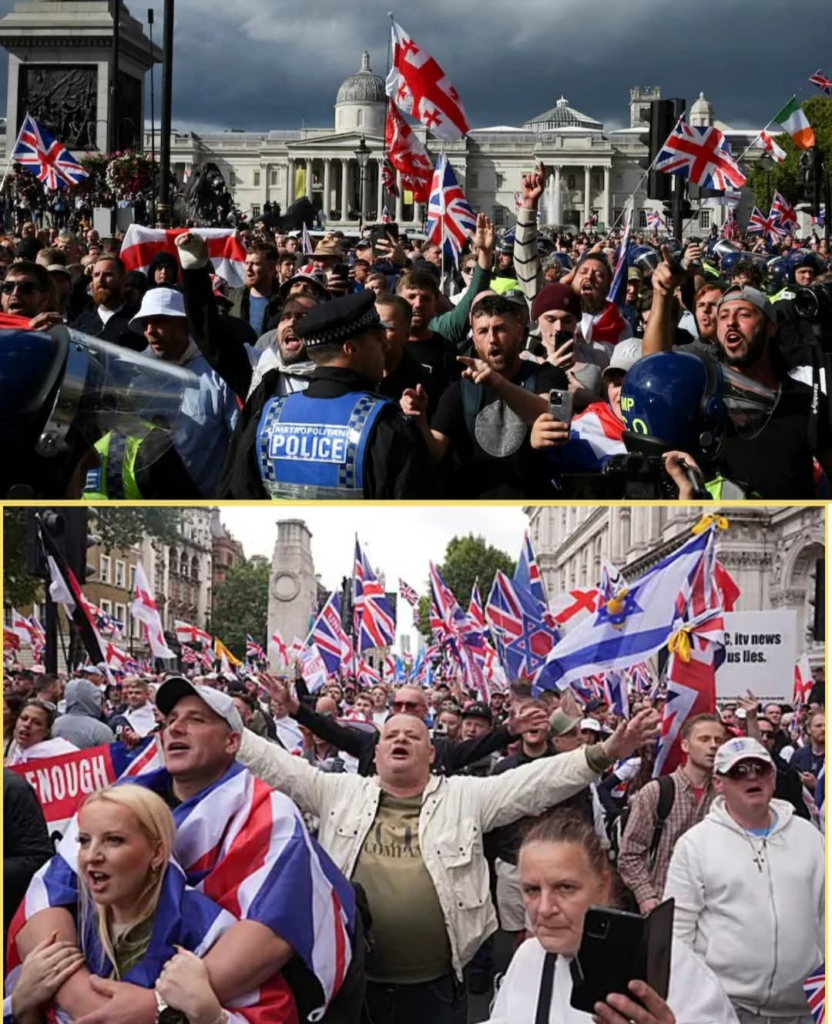
A large-scale police operation in the United Kingdom has triggered intense public reaction after several individuals detained during coordinated raids were later released pending further investigation. The developments have fueled protests, online outrage, and renewed debate over policing, immigration, and public trust.
What Happened?
Authorities reportedly carried out a significant operation involving large numbers of officers in response to an ongoing investigation. Such operations are typically planned in advance and may involve:
Search warrants
Temporary detentions
Intelligence-led investigations
Coordination between local and national police units
In many cases, individuals can be released while inquiries continue if evidence thresholds for charges are not yet met.
Why Are People Angry?
The decision to release some detainees has become the main flashpoint.
Critics argue that:
Police actions appear inconsistent
Communities feel repeated incidents are not being resolved decisively
Public confidence in the system is weakening
Supporters of due process respond that:
Arrest does not equal guilt
Investigations often require further evidence gathering
Legal protections apply equally to everyone under British law
Protests and Rising Tensions
Following the operation, demonstrations reportedly formed in response to the releases and wider frustrations around national policy issues.
Police in the UK routinely monitor such gatherings to:
Prevent disorder
Separate opposing groups
Protect property and public safety
While some protests remain peaceful, isolated clashes or confrontations can quickly escalate online through selective clips and dramatic commentary.
Political Fallout
Prime Minister Keir Starmer and the government are facing increasing pressure over public concerns related to:
Crime and policing
Immigration and integration
Community relations
Confidence in institutions
Opposition voices argue that current strategies are failing to reassure the public, while government supporters caution against politicizing ongoing investigations.
The Risk of Online Escalation
Social media has amplified the situation dramatically. Viral posts often use emotionally charged phrases like “chaos,” “collapse,” or “patriots vs extremists,” which can intensify public anger before full details are confirmed.
Experts warn that:
Partial information spreads rapidly
Rumors can outpace verified facts
Group-based narratives may increase division and hostility
The Bigger Issue
The controversy reflects broader tensions in the United Kingdom over:
Public safety
Social cohesion
Immigration policy
Trust in government institutions
These debates have become increasingly polarized in recent years, especially in online spaces where emotional content spreads fastest.
What Happens Next?
Possible next steps include:
Continued police investigation
Additional public statements from authorities
Further protests or political debate
Review of operational decisions and public communication
Whether the situation calms or escalates will likely depend on transparency, media coverage, and political response in the coming days.
Bottom Line
Despite dramatic online claims, there is no verified evidence of a nationwide collapse or organized conflict between communities. What is unfolding is a tense and highly politicized dispute over policing, accountability, and public trust.
Understanding the facts—and separating them from emotionally charged narratives—is essential as the situation develops.