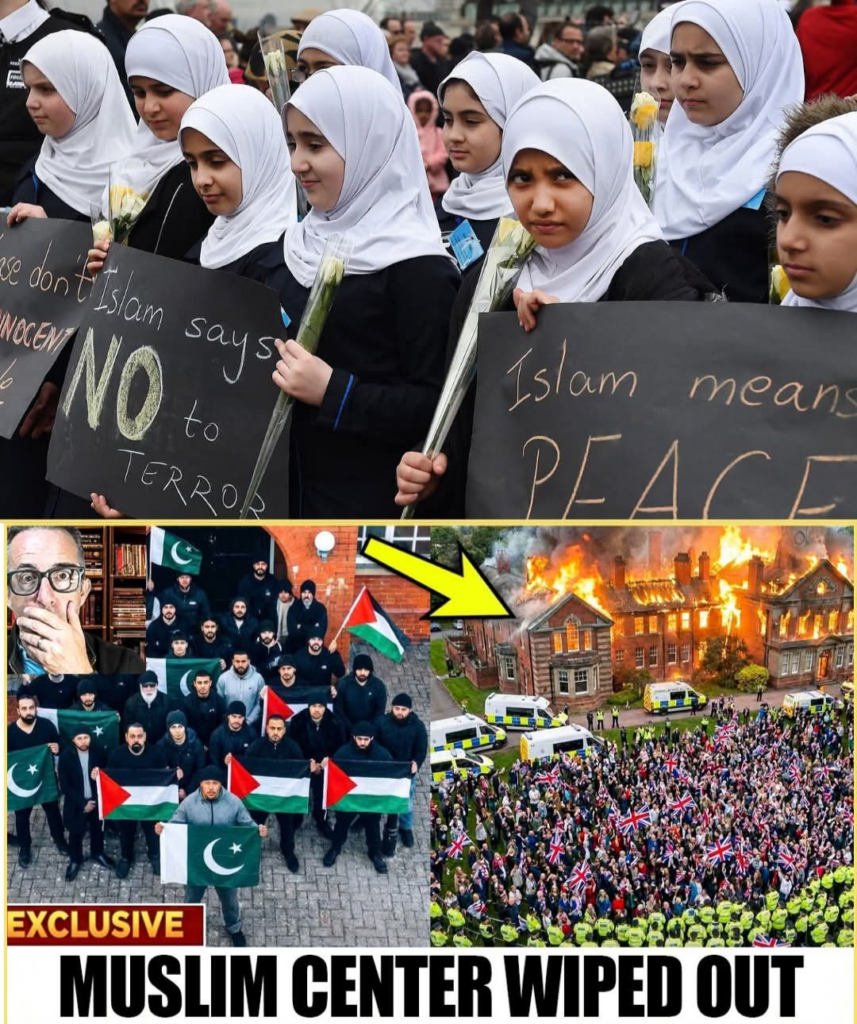
A large-scale police operation in London has ignited intense public debate after officers carried out coordinated action linked to an ongoing investigation involving a controversial organization.
The operation, which reportedly involved a substantial police presence, quickly drew national attention online as videos, photos, and commentary spread across social media platforms. While many details remain unclear, the incident has already triggered broader arguments about public safety, extremism, community relations, and whether authorities act quickly enough when concerns are raised.
What Happened?
According to initial reports, law enforcement officers conducted searches and detentions as part of a planned investigation. Operations of this scale are typically intelligence-led and may involve:
Search warrants
Evidence collection
Temporary detentions or questioning
Coordination between multiple policing units
At this stage, officials have not confirmed many of the dramatic claims circulating online.
Why the Reaction Has Been So Intense
The scale of the operation—and the secrecy surrounding it beforehand—has fueled speculation and strong emotional reactions.
Online users are asking:
Why was such a large operation necessary?
Were authorities monitoring the situation for years?
Did officials act too late—or appropriately under the law?
These questions have intensified wider political frustrations already present in the United Kingdom around security, policing, and social cohesion.
Extremism Concerns vs Due Process
Whenever a religious or ideological organization becomes linked to allegations of extremism, tensions rise quickly. However, under British law:
Investigations must follow evidence and legal procedures
Organizations and individuals remain innocent until proven guilty
Authorities cannot lawfully target groups based solely on religion or identity
This distinction is crucial, especially in highly charged online discussions where speculation often spreads faster than verified facts.
Social Media Amplification
Much of the outrage surrounding the incident has been driven by viral clips and dramatic commentary online. Posts using phrases like “compound,” “cover-up,” or “explosive revelation” have generated millions of views.
Experts warn that:
Short clips rarely show full context
Rumors can quickly evolve into accepted “facts” online
Emotional framing increases engagement but may distort reality
This creates an environment where public perception can shift rapidly before official information is released.
Political Pressure Builds
Prime Minister Keir Starmer and government officials are already facing pressure from critics demanding clearer answers about security and public protection.
Some argue that authorities have become too cautious in dealing with controversial issues due to fears of political backlash or accusations of discrimination. Others warn that overreaction and sensationalism risk fueling division and mistrust between communities.
A Wider National Conversation
The debate extends far beyond a single operation. Across Britain, ongoing concerns about:
Extremism
Integration
Public safety
Freedom of religion
Trust in institutions
have become increasingly politicized, especially since the Brexit period.
What Happens Next?
The next stage will likely involve:
Formal police statements
Possible charges or releases depending on evidence
Political debate and media scrutiny
Continued online reaction and public discussion
As more verified information emerges, the public picture may change significantly from the initial viral narratives.
Bottom Line
Despite explosive online claims, many key facts surrounding the operation remain unconfirmed. What is certain is that the incident has become a flashpoint in Britain’s wider debate over security, trust, and how authorities handle sensitive investigations.
Separating verified developments from emotionally charged speculation will be essential as the story continues to unfold.