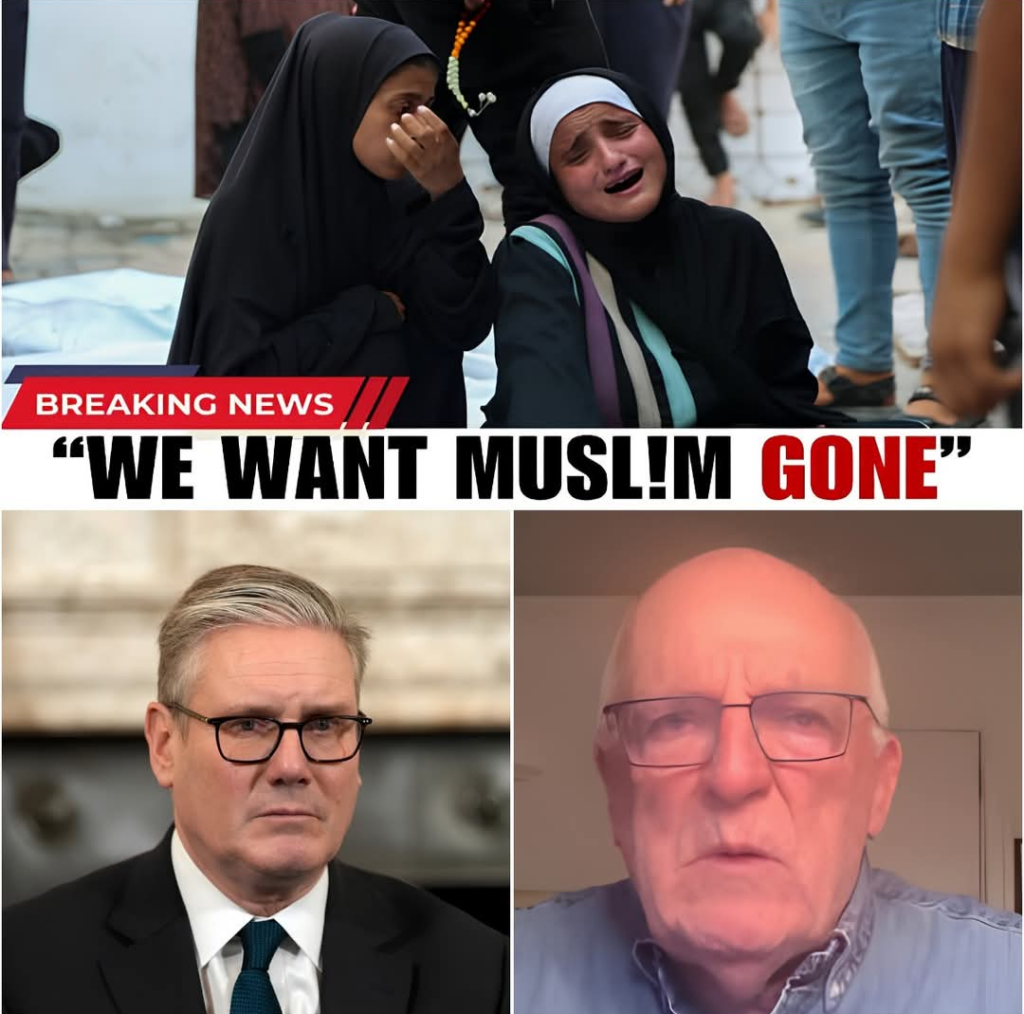
In recent weeks, a series of street confrontations across several European cities—including London, Paris, Brussels, and Rome—has drawn widespread attention. Videos circulating online show tense exchanges between groups of people, with scenes of shouting, pushing, and, in some cases, clashes that required police intervention. While each incident has its own local context, together they point to a broader pattern of growing public frustration and social strain.For many residents, these events have been unsettling. Streets that are usually associated with daily routines—commuting, shopping, meeting friends—have, at times, become sites of confrontation. Blocked roads, disrupted transport, and visible police presence have added to a sense that something deeper is unfolding beneath the surface.What Is Happening on the Ground?The situations captured in viral videos often begin with protests or public gatherings. In some cases, these are organized demonstrations around specific issues such as economic concerns, government policies, or social justice causes. In others, they appear more spontaneous, fueled by immediate grievances or reactions to unfolding events.What makes these moments stand out is how quickly they can escalate. A disagreement turns into a heated argument; a crowd gathers; tensions rise. Within minutes, what started as a localized issue can draw in larger groups, creating an environment that feels unpredictable and, at times, volatile.Authorities in different cities have responded by increasing police presence and, where necessary, dispersing crowds to prevent further escalation. Their priority, officials say, is to maintain public safety while allowing space for lawful expression.The Role of Social MediaOne of the defining features of these events is how rapidly they spread beyond their immediate location. Social media platforms have become the primary way people encounter these incidents. Short video clips—often filmed on smartphones—capture intense moments and are shared widely, sometimes reaching millions of viewers within hours.This instant visibility has both advantages and drawbacks. On one hand, it provides a direct look at what is happening on the ground, often from multiple perspectives. On the other, short clips can lack context, making it difficult to understand the full story behind a confrontation.In some cases, the same incident is interpreted in very different ways depending on who is sharing it and why. This can amplify emotions and contribute to a sense that unrest is more widespread or coordinated than it may actually be.Underlying Causes: More Than One IssueWhile it may be tempting to view these confrontations as isolated incidents, many observers point to deeper, interconnected factors.Economic pressure is one of the most frequently cited concerns. Rising living costs, housing challenges, and job insecurity have affected large sections of the population. For some, these pressures create a sense of frustration that can surface during public demonstrations or everyday interactions.Political divisions also play a role. Across Europe, debates around immigration, national identity, and government policy have become increasingly polarized. These issues can turn public spaces into arenas for competing viewpoints, sometimes leading to direct confrontations.Social change and uncertainty are another factor. Rapid changes in technology, culture, and global dynamics have left many people feeling unsettled. Younger generations, in particular, are navigating a world that looks very different from that of their parents, while older generations may feel that familiar structures are shifting too quickly.Taken together, these elements create an environment where tensions can build—and occasionally spill over into the kind of scenes now being widely shared.Are These Incidents Connected?Despite the similarities in how these confrontations appear, there is no clear evidence that they are part of a single, coordinated movement across Europe. Each city has its own political climate, social dynamics, and immediate triggers.However, the perception of a continent-wide pattern is itself significant. When people in one country see images from another that resemble what they are experiencing locally, it can reinforce the idea that these issues are widespread. This shared perception can influence how individuals interpret events in their own communities.Public Reaction: Concern, Frustration, and DebateReactions to these events have been mixed. Some people express concern about safety and the potential for further escalation. Others focus on the underlying issues, arguing that these confrontations are symptoms of deeper problems that need to be addressed.There is also ongoing debate about the balance between maintaining order and protecting the right to protest. Public demonstrations have long been an important part of democratic societies, but when tensions rise, the line between peaceful expression and disorder can become blurred.Local residents in affected areas often feel the immediate impact. Disruptions to daily life, combined with uncertainty about what might happen next, can create a sense of unease. At the same time, many emphasize the importance of not allowing isolated incidents to define entire cities or communities.The Media’s ChallengeFor traditional news organizations, covering these events presents its own set of challenges. The speed at which information spreads online means that journalists must work quickly to verify details and provide context.There is also the question of how to report on emotionally charged situations without contributing to further tension. Sensational headlines can attract attention, but they may also risk oversimplifying complex issues.As a result, many outlets are focusing on providing more in-depth analysis—looking beyond individual incidents to explore the broader social and economic factors at play.Looking Ahead: What Comes Next?It remains to be seen whether these confrontations will continue at the same intensity or gradually subside. Much will depend on how underlying issues are addressed, both at the local and national levels.Governments across Europe face the challenge of responding to public concerns while maintaining stability. This may involve policy changes, increased dialogue with communities, or efforts to address economic and social pressures more directly.At the same time, individuals and communities play a role in shaping how these situations evolve. Public spaces are shared environments, and the way people interact within them can either escalate tensions or help defuse them.A Moment of ReflectionWhile the images circulating online can be striking, they represent only one part of a much larger picture. Europe remains a diverse and dynamic region, with millions of people going about their daily lives without incident.However, the recent confrontations do highlight important questions about the state of society, the pressures people are facing, and how disagreements are expressed in public spaces.Rather than viewing these events simply as moments of chaos, they can also be seen as opportunities to reflect on what is driving them—and what might be needed to address those causes.ConclusionThe scenes unfolding across parts of Europe have captured global attention, not just because of their intensity, but because of what they suggest about the current moment. Tensions, once contained, are becoming more visible, amplified by technology and shared across borders in real time.Whether this period will be remembered as a turning point or a temporary phase is still unclear. What is certain is that the conversations sparked by these events—about security, identity, fairness, and the future—are unlikely to fade anytime soon.For now, the focus remains on understanding, responding, and finding ways to ensure that public spaces remain places of safety, dialogue, and coexistence rather than confrontation.