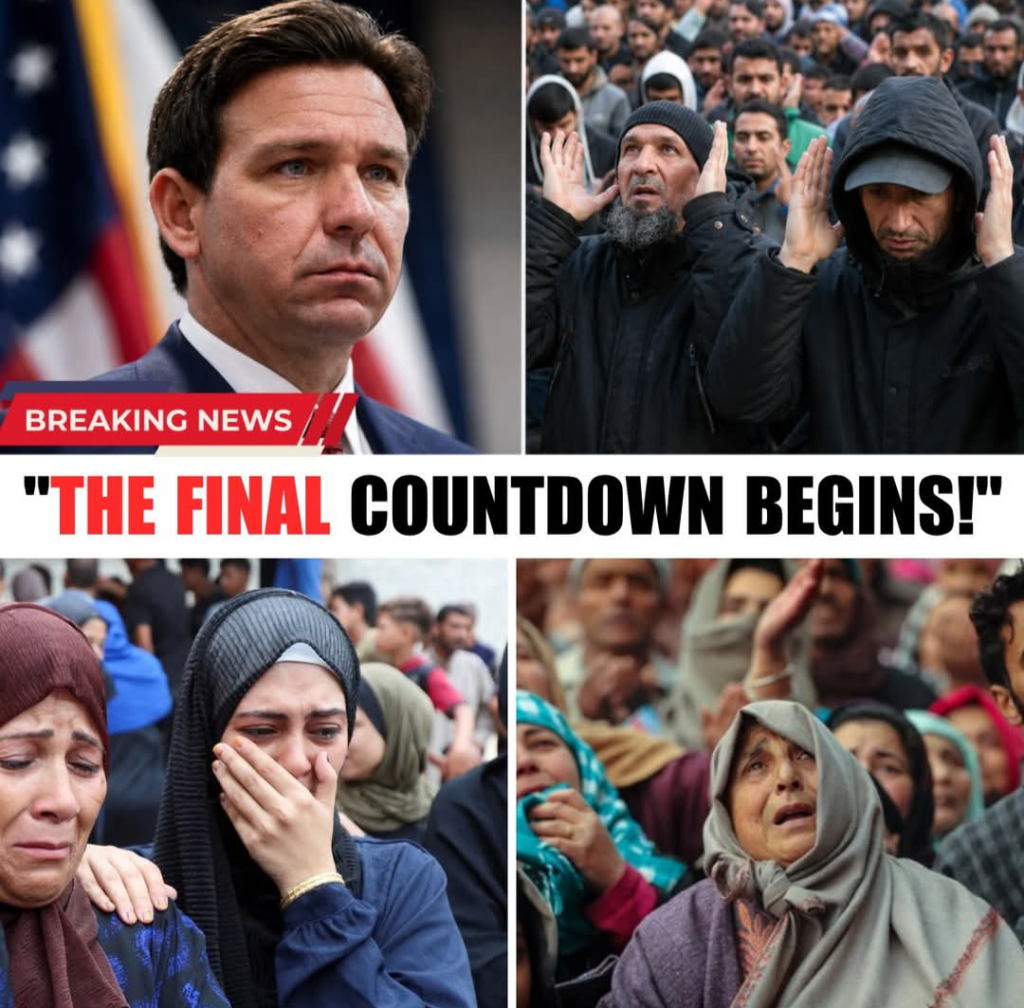
Recent policy discussions in Florida under Governor Ron DeSantis have focused on how courts handle foreign law and how the state oversees organizations tied to security concerns. Viral posts often frame this as a direct clash with Islam or “Sharia,” but the legal reality is broader and more technical.
What the Laws Generally Address
Across several U.S. states (including Florida), lawmakers have introduced or passed measures that:
Limit the use of foreign law in state courts when it conflicts with the United States Constitution
Increase scrutiny of organizations suspected of links to terrorism or foreign adversaries
Strengthen rules around funding, transparency, and national security risks
These laws are typically written in neutral legal language—they do not name a specific religion.
The “Sharia Law” Claim
In U.S. law, no religious system—including Islamic law—can override the Constitution. Courts may consider religious practices in private civil matters (like contracts or arbitration) only if they comply with existing law.
That means:
There is no parallel legal system replacing U.S. law
Any agreement based on religion is enforceable only if it follows state and federal law
Because of this, many legal experts argue that “banning Sharia” is more of a political slogan than a reflection of an actual legal threat.
Supporters’ View
Backers of these measures say they are about:
Protecting constitutional rights
Preventing foreign influence in legal decisions
Ensuring transparency and national security
They often frame the policies as preventive safeguards, not responses to a specific incident.
Critics’ Concerns
Civil rights groups—including Council on American-Islamic Relations—argue that:
Even neutral laws can disproportionately affect certain communities
The rhetoric around these policies may contribute to fear or misunderstanding
Existing laws already provide protections against foreign interference and criminal activity
Legal challenges sometimes arise if a law is seen as indirectly targeting a specific religion or group.
What Courts Typically Look At
If challenged, courts examine whether a law:
Is neutral toward religion
Serves a legitimate government interest (like security)
Violates protections under the First Amendment to the United States Constitution
If a law is found to discriminate—even indirectly—it can be struck down or limited.
The Bigger Picture
This debate reflects a wider national trend where issues of:
National security
Religious freedom
Political messaging
are increasingly overlapping.
It’s also a reminder that how policies are described online can differ significantly from what they actually do in law.
Bottom Line
There isn’t evidence of a sweeping legal move targeting a religion or introducing dramatic new powers beyond existing constitutional limits. Instead, the situation is part of an ongoing political and legal debate about security, identity, and the role of state law.