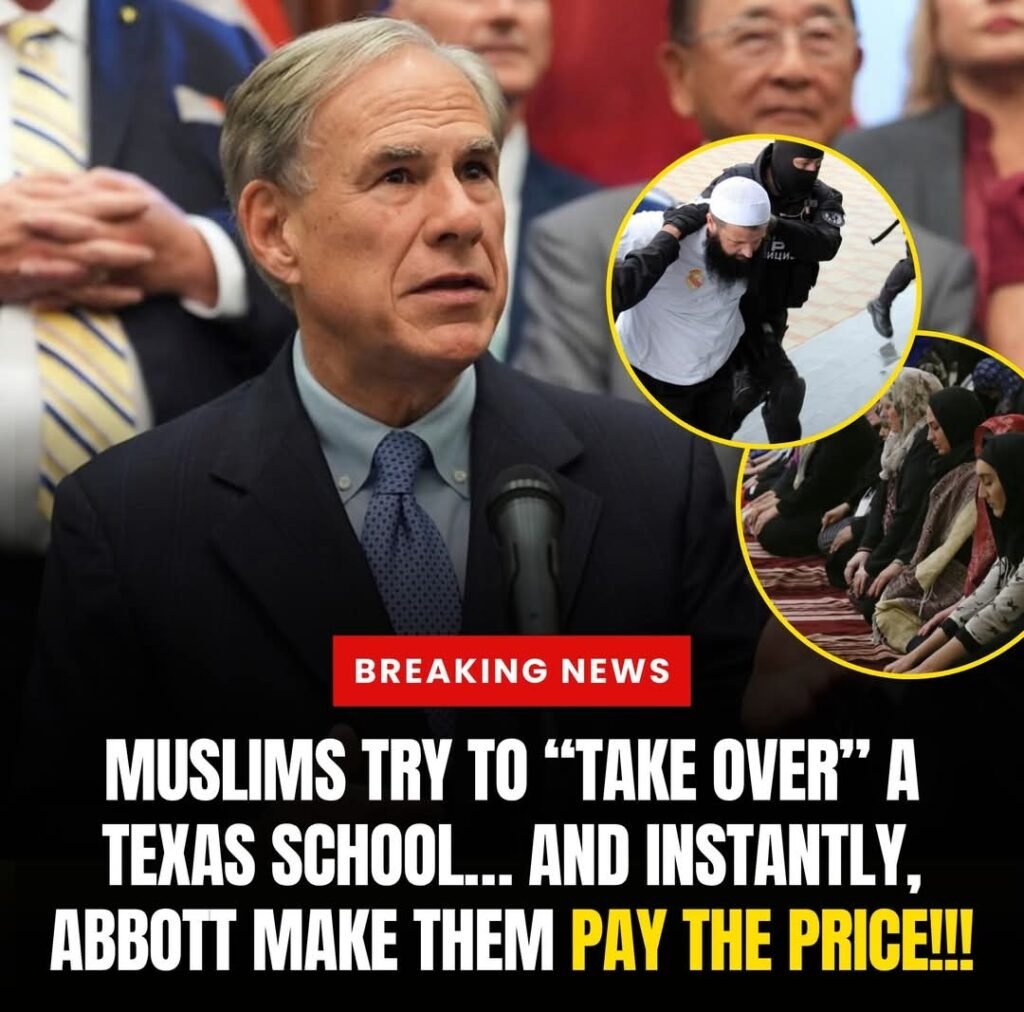
A heated controversy inside a Texas school district has exploded into a nationwide political firestorm after parents accused educators of distributing religiously themed materials to students without proper transparency or community approval.What began as a local dispute quickly transformed into a larger cultural battle involving education policy, religious freedom, parental authority, and the growing polarization shaping American public schools.Videos circulating across social media showed emotional school board meetings packed with frustrated parents demanding answers from administrators. Some parents claimed classroom materials crossed the line from education into ideological promotion, while others argued the situation was being exaggerated for political purposes. The intensity of the backlash rapidly pushed the story far beyond Texas, fueling national debate over what should — and should not — be taught in American classrooms.The controversy reportedly centered around supplemental educational materials connected to discussions about religion, culture, and global history. Critics argued that certain content appeared biased or inappropriate for students, especially without advance notice to families. Some activists accused schools of introducing ideas they believed conflicted with local community values and traditional beliefs.During tense public meetings, several parents voiced concerns that schools were becoming increasingly politicized. Others argued that families were losing trust in educational institutions they once viewed as neutral spaces for learning.“Parents want transparency,” one local community organizer said during a public hearing. “They want to know exactly what their children are being taught and why.”However, education officials and some community members strongly rejected claims that schools were attempting indoctrination or promoting extremist ideology. Administrators reportedly stated that the materials were part of broader cultural and historical discussions intended to encourage understanding of world religions and global societies. Supporters argued that teaching about religions does not necessarily mean endorsing them.The incident reflects a much broader national struggle playing out across the United States.Over the last several years, school districts in multiple states have become battlegrounds over curriculum, race, gender identity, sexuality, religion, and political ideology. Parents’ groups, activist organizations, and political leaders increasingly view education as one of the most important fronts in America’s cultural divide.Texas has emerged as one of the central arenas in this debate. State leaders have repeatedly emphasized parental rights, local control over schools, and restrictions on controversial classroom materials. Conservative lawmakers in the state have introduced legislation focused on curriculum transparency, library book reviews, and expanded parental oversight in public education.Supporters of those measures argue they are necessary to protect children and restore accountability. Critics, however, warn that political pressure campaigns risk undermining educators, limiting academic freedom, and creating fear inside classrooms.The viral nature of the Texas controversy demonstrates how quickly local disputes can now become national flashpoints. Social media clips from school board meetings spread rapidly online, generating millions of views and fueling intense reactions from both sides of the political spectrum. Influencers, commentators, and political activists amplified the story, often framing it as evidence of a larger ideological struggle over the future of American culture.Some conservative voices described the controversy as proof that schools are drifting away from community values. Progressive advocates responded by warning against religious intolerance, misinformation, and attempts to demonize cultural education programs.The debate has also reignited discussions about the role of religion in public schools. Under U.S. law, public schools may teach about religion in historical or cultural contexts, but they are prohibited from promoting or endorsing specific religious beliefs. Determining where education ends and advocacy begins, however, often becomes politically contentious.Legal experts note that disputes over curriculum interpretation are rarely simple. Context, intent, presentation, and local policy all play major roles in determining whether educational materials violate constitutional boundaries.Meanwhile, many teachers caught in the middle of these conflicts say the political environment surrounding education has become increasingly hostile. Educators across the country report growing pressure from both parents and activists, with some fearing professional consequences over classroom content that previously attracted little controversy.Despite the outrage surrounding the Texas dispute, there is little evidence that schools were engaged in any organized extremist effort. Still, the emotional reaction reveals how deeply issues involving children and education resonate with American families.For many parents, the concern goes beyond a single handout or lesson plan. The deeper fear is about influence, identity, and who ultimately shapes the values of the next generation.Political strategists believe these education battles will remain a dominant issue heading into future elections. School board races, once considered low-profile local contests, are now attracting national funding, activist involvement, and intense media attention.As tensions continue to rise, the Texas controversy has become more than a local disagreement. It now symbolizes the broader cultural and political anxieties reshaping America’s education system.Whether viewed as a legitimate parental uprising or an overblown political panic, one thing is certain: the fight over classrooms, curriculum, and cultural identity is far from over — and communities across the country are watching closely.