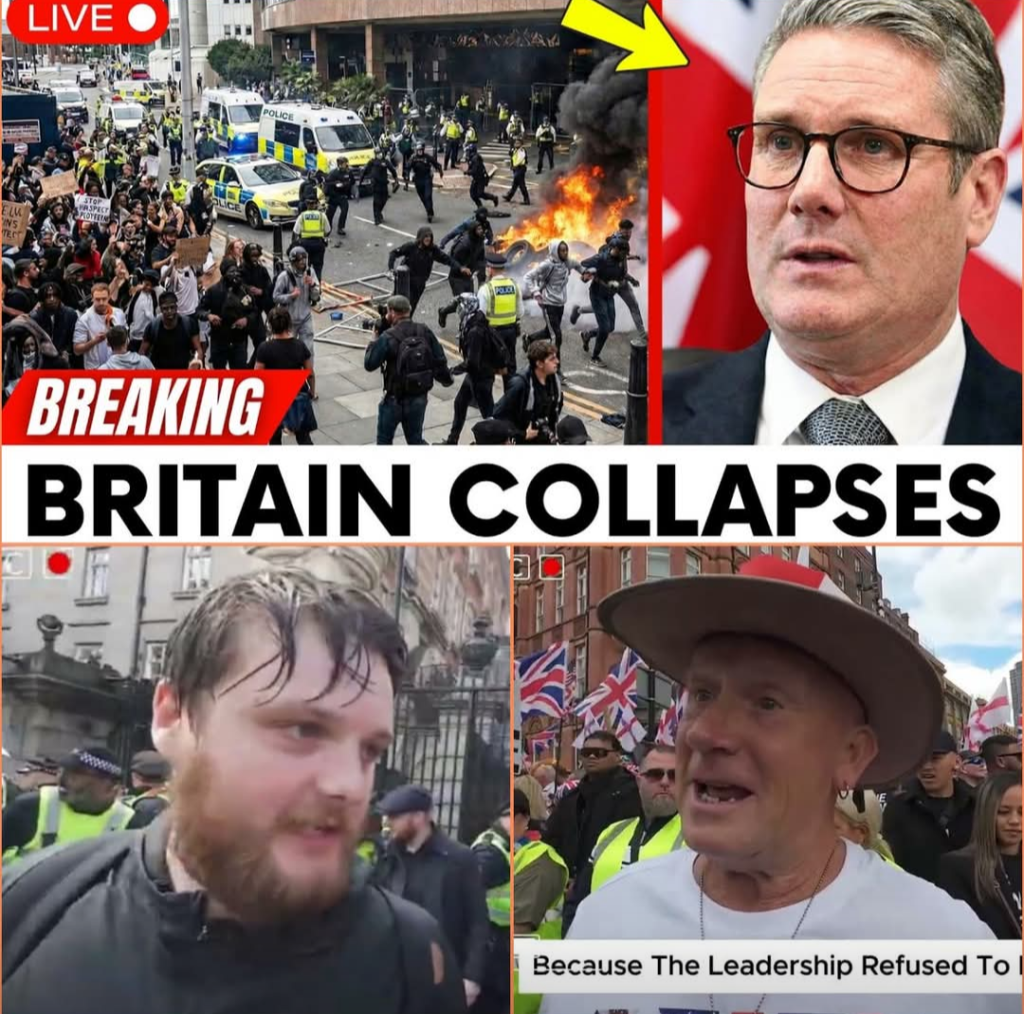
Reports of unrest near migrant accommodation sites have once again brought attention to the fragile state of public debate around immigration in parts of United Kingdom. Areas such as Rotherham and Tamworth have seen protests in the past, reflecting a broader national tension that continues to simmer beneath the surface.While viral posts often describe these situations in extreme terms, verified accounts tend to show a more complex reality—one where protests, policing, and public concern intersect in unpredictable ways.What Actually Happens During These Incidents?When demonstrations form around asylum hotels or migrant housing, they can involve a mix of:Local residents expressing frustration over housing pressuresActivist groups on both sides of the immigration debateA visible police presence aimed at preventing escalationIn some cases, tensions rise, leading to isolated clashes, property damage, or arrests. However, large-scale breakdowns of law and order—such as entire streets being “overrun”—are rare and typically short-lived when they do occur.Law enforcement agencies are trained to respond rapidly to prevent escalation and restore control.The Role of PolicingForces across England, including those operating under frameworks set by the Home Office, follow strict protocols when handling public disorder.Their priorities include:Protecting lives and propertySeparating opposing groupsPreventing the spread of violenceMaking arrests where necessaryEven when situations become tense, claims of police being “forced to retreat” or losing control are often exaggerated in viral narratives. In most documented cases, reinforcements are deployed quickly to stabilize the situation.Why These Flashpoints OccurAt the heart of these incidents is a wider national debate about immigration and asylum policy.Concerns raised by some local residents include:Pressure on housing and public servicesPerceptions of unequal resource allocationSafety concerns, whether evidence-based or perceivedAt the same time, advocacy groups and humanitarian organizations emphasize that many asylum seekers are:Fleeing conflict or persecutionWaiting for legal decisions on their statusLiving under strict conditions set by the governmentThis creates a deeply polarized environment, where emotions can escalate quickly.Political ContextImmigration remains one of the most politically charged issues in Britain, particularly following the Brexit referendum.Leaders, including Prime Minister Keir Starmer, face growing pressure to address both border control and public concerns, while also maintaining legal and humanitarian commitments.Statements made during protests—whether from demonstrators or counter-protesters—often reflect frustration, but they don’t necessarily represent broader public consensus.The Danger of Viral MisinformationSocial media plays a powerful role in shaping how these events are perceived. Dramatic descriptions, selective clips, and unverified numbers can quickly go viral, creating a sense of crisis that may not match reality.Common issues with viral reports include:Inflated crowd sizesMisleading timelinesLack of context about what triggered the incidentSelective focus on the most extreme momentsThis doesn’t mean tensions aren’t real—it means they are often amplified beyond their actual scale.Community ImpactRegardless of scale, even localized unrest can have serious consequences:Fear among residents and migrants alikeStrain on local policing resourcesDamage to businesses and public spacesLong-term community divisionLeaders at both local and national levels often call for calm, urging dialogue over confrontation.What Happens Next?When such incidents occur, the typical follow-up includes:Police investigations and arrestsReview of security at accommodation sitesPolitical statements and media coverageRenewed debate over immigration policyIn some cases, additional policing or policy adjustments are introduced to prevent further unrest.The Bigger PictureEvents like these are not isolated—they are part of a broader pattern across Europe, where migration continues to test political systems and social cohesion.The challenge lies in balancing:Public concerns about resources and safetyLegal obligations toward asylum seekersThe need to prevent escalation and violenceBottom LineWhile tensions around migrant accommodation can lead to protests and occasional clashes, the most extreme portrayals circulating online are often exaggerated or lacking verification.The reality is more complex—and more important. It’s about a country grappling with difficult questions on identity, policy, and fairness, under the constant pressure of public scrutiny.