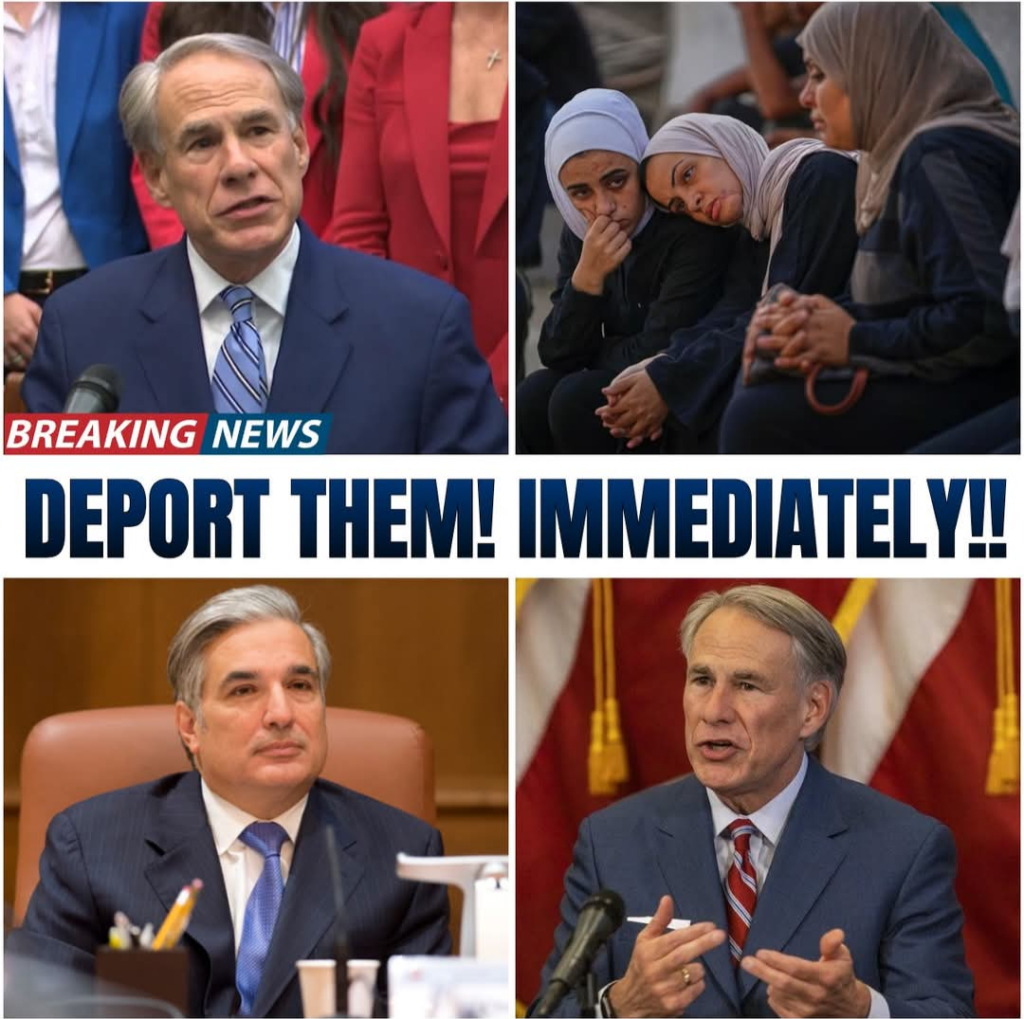
A new wave of legislation in Texas has reignited national debate over property rights, religious freedom, and the role of state governments in shaping cultural policy. Under Greg Abbott, lawmakers have advanced measures that supporters describe as protecting state sovereignty—while critics argue they risk targeting specific communities and raising constitutional concerns.As headlines spread rapidly online, it’s important to distinguish between political messaging and the actual content of proposed or enacted laws.What the Laws Are Actually AboutRecent legislative efforts in Texas have focused primarily on land ownership, foreign influence, and zoning oversight—not blanket bans on religious communities.Some proposals have aimed to:Restrict land purchases by certain foreign entities tied to geopolitical concernsIncrease scrutiny of large-scale land developmentsStrengthen state authority over property use in sensitive areasSupporters say these steps are necessary to protect infrastructure, agriculture, and national security interests. However, the language of such bills is typically framed in legal and national security terms—not religious ones.The “Sharia” Narrative: Politics vs PolicyThe term “Sharia law” often appears in political debates in the United States, but its legal relevance is limited. The United States Constitution ensures that no religious legal system can override federal or state law.In practice, courts in the U.S. may consider aspects of religious practice in civil matters (such as contracts or family agreements), but only when they comply with existing laws.Legal experts widely note that claims of parallel legal systems replacing U.S. law are not supported by evidence. Instead, such language tends to emerge in political rhetoric rather than enforceable policy.Why This Debate Is Gaining AttentionTexas has long been a focal point for broader national debates. As one of the largest and most politically influential states, its legislative actions often resonate across the country.Several factors are fueling the current attention:Growing concerns about foreign land ownership in the U.S.Increasing political polarization on cultural and identity issuesThe role of state governments in addressing national-level concernsThese issues are complex—and often get simplified into viral narratives that don’t fully reflect the underlying policy details.Supporters’ PerspectiveSupporters of the new measures argue that the state is taking proactive steps to protect its interests. They frame the legislation as:A defense of property rightsA safeguard against external influenceA reinforcement of existing legal structuresFor many voters, the appeal lies in the idea of maintaining control over land and resources in a rapidly changing world.Critics Raise Constitutional ConcernsOpponents, however, warn that some proposals could face legal challenges—particularly if they are seen as targeting specific groups or violating protections under the First Amendment to the United States Constitution.Civil rights advocates argue that:Laws must remain neutral toward religionBroad or vague language can lead to discriminationCourts will ultimately decide the limits of such policiesIn the U.S. legal system, even widely supported laws can be overturned if they conflict with constitutional protections.Media, Messaging, and Public PerceptionThe way these developments are presented online often differs significantly from the legislative reality. Viral posts tend to use strong language—phrases like “crackdown,” “ban,” or “shock move”—to capture attention.While this can increase engagement, it can also blur the line between fact and interpretation.Understanding the difference between what a law says and how it is described is crucial for making informed judgments.Could Other States Follow?Texas often sets political trends, and similar proposals have appeared in other states—particularly around foreign land ownership and national security concerns.However, each state operates under its own legal framework, and any comparable legislation would face its own political and judicial scrutiny.The Bigger PictureAt its core, this debate is about more than a single law or state. It reflects broader questions facing the United States:How should states balance security with constitutional freedoms?Where is the line between political messaging and legal reality?How do narratives shape public understanding of complex policies?These questions don’t have simple answers—but they are central to the ongoing national conversation.Bottom LineDespite viral claims, there is no verified evidence of sweeping laws banning entire religious communities in Texas. The actual legislative focus is narrower and tied to property, security, and regulatory oversight.That doesn’t mean the debate is unimportant—far from it. It highlights how quickly narratives can spread, and how critical it is to examine policy details before drawing conclusions.As the situation evolves, one thing is clear: Texas will remain at the center of America’s most closely watched political debates.