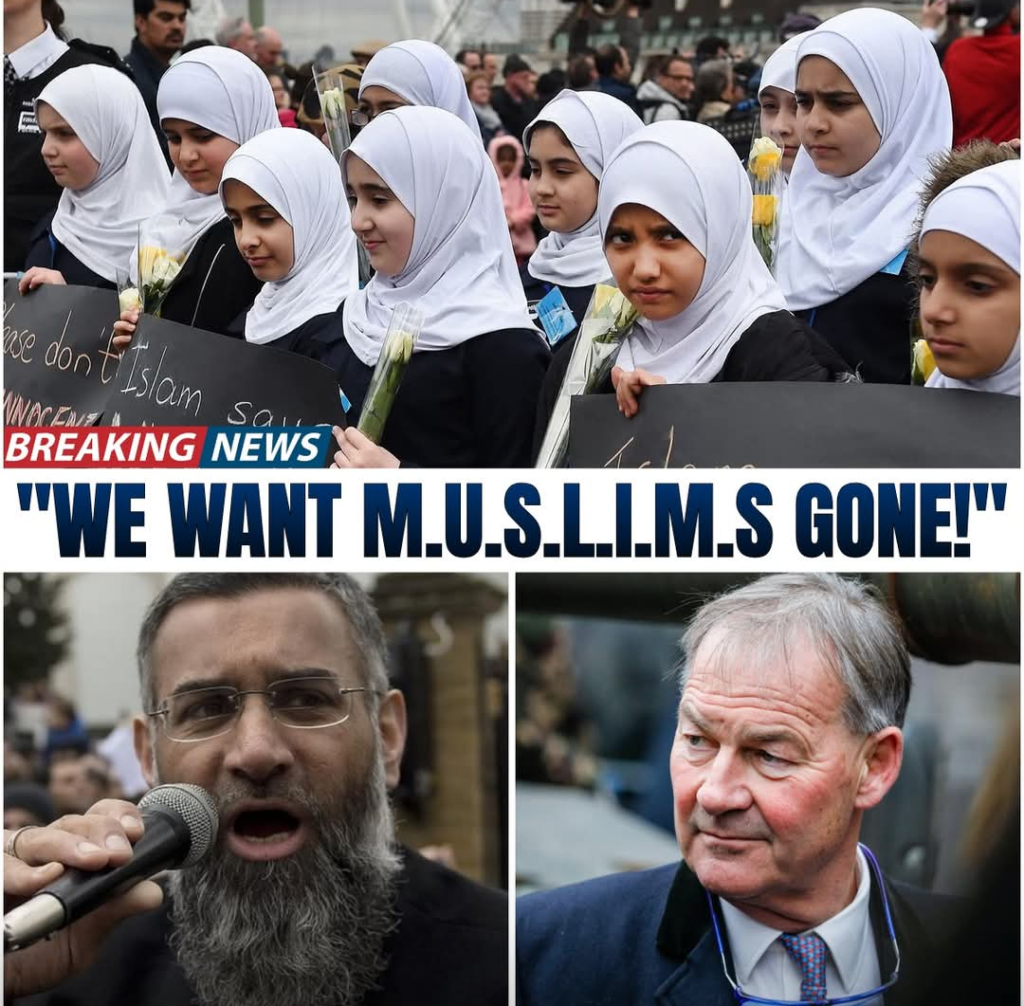
A political storm has erupted in Westminster after reports surfaced of an incendiary remark allegedly calling for the deportation of an entire religious group. The statement—whether taken in full context or clipped into viral headlines—has triggered outrage, condemnation, and a renewed national debate over the limits of free speech in modern Britain.At the center of the controversy is not just what was said, but what it represents: a collision between democratic freedoms, social cohesion, and the responsibilities of public figures in an increasingly polarized environment.Immediate Backlash Across the Political SpectrumLeaders and members of UK Parliament reacted swiftly. Politicians from multiple parties condemned the alleged remark, describing it as divisive, dangerous, and incompatible with British democratic values.Public figures emphasized that the United Kingdom’s identity is deeply rooted in pluralism—a society where people of different faiths, cultures, and backgrounds coexist under the rule of law.“This is not just about one comment,” one senior lawmaker noted in media interviews. “It’s about the kind of country we want to be.”Freedom of Speech vs Hate SpeechThe controversy has reignited a long-standing debate: where should the line be drawn between freedom of expression and hate speech?Under UK law, particularly the Public Order Act 1986, speech that incites hatred against groups based on religion or ethnicity can carry legal consequences. However, the threshold for prosecution is high, and context matters significantly.Supporters of free speech argue that even offensive or controversial statements should not be censored unless they directly incite violence. Others counter that rhetoric targeting entire communities can contribute to real-world harm, even if it falls short of explicit incitement.This tension is not new—but each high-profile incident brings it back into sharp focus.The Role of Media and Viral AmplificationIn today’s digital landscape, a single phrase can spread across platforms within minutes. Social media often strips statements of context, turning complex discussions into emotionally charged flashpoints.Clips, headlines, and hashtags can amplify outrage—sometimes before the full facts are verified. This creates a feedback loop where public reaction intensifies faster than official clarification.Analysts note that this dynamic makes responsible reporting more important than ever. Misinterpretation or selective quoting can escalate tensions unnecessarily.Community Impact and Public ReactionFor many British Muslims, the controversy is more than just a political story—it feels personal. Organizations representing Muslim communities have expressed concern about the potential normalization of hostile rhetoric.Groups such as Muslim Council of Britain have called for accountability and urged leaders to reaffirm their commitment to inclusion and respect.At the same time, public opinion remains divided. While many condemn the remark outright, others view the reaction as part of a broader debate about national identity, immigration, and integration.Legal and Political ConsequencesWhat happens next depends on several factors:Verification of the statement: Was it accurately reported? Was it taken out of context?Intent and context: Was the remark rhetorical, satirical, or serious?Public pressure: Political careers can be shaped as much by public perception as by legal findingsIf authorities determine that the statement crosses legal boundaries, it could lead to investigation or sanctions. More commonly, however, such controversies result in political consequences—resignations, party disciplinary action, or lasting reputational damage.A Broader Pattern Across EuropeThe UK is not alone in facing such debates. Across Europe, political discourse around religion, identity, and migration has become increasingly heated.Incidents like this often reflect deeper societal tensions rather than isolated events. Economic uncertainty, cultural change, and political polarization all contribute to an environment where extreme rhetoric can gain traction.The Importance of Responsible LeadershipMoments like these test the resilience of democratic institutions. Leaders are expected not only to respect free speech but also to exercise judgment and responsibility.Words matter—especially when spoken from positions of influence. They can shape public attitudes, influence policy debates, and affect the sense of belonging among communities.What Comes Next?In the coming days, several developments are likely:Clarifications or retractions from those involvedContinued media scrutiny and public debatePossible parliamentary discussions or inquiriesRenewed calls for clearer guidelines on political speechThe situation remains fluid, and much will depend on how leaders, media, and the public respond.The Bigger PictureBeyond the immediate controversy, this episode highlights a fundamental challenge facing modern democracies: how to balance open debate with social responsibility.The United Kingdom has long prided itself on being a society that values both freedom and fairness. Maintaining that balance requires constant effort—especially in times of heightened tension.As the debate continues, one thing is certain: the outcome will not just shape political careers, but also influence how the country navigates issues of identity, inclusion, and expression in the years ahead.